

The Essential Role of Interpol Defense Lawyers
In an increasingly interconnected world, the legal implications of international law are becoming ever more significant. Individuals who find themselves entangled in Interpol cases may feel overwhelmed by the complexities of global law enforcement. This is where Interpol Defense Lawyers Interpol Cases Lawyers come to the forefront, assisting clients in navigating the troubled waters of international legal disputes and helping to defend their interests effectively.
What is Interpol?
Founded in 1923, Interpol is an international police organization that facilitates cooperation between police forces across different nations. With its headquarters in Lyon, France, Interpol works across 195 member countries, making it the world’s largest police organization. The primary purpose of Interpol is to combat transnational crime, including drug trafficking, human trafficking, terrorism, and cybercrime.
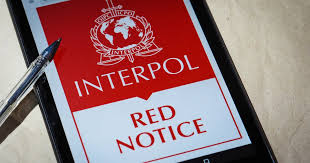
Interpol issues notices to member countries to alert them about wanted individuals. The most well-known among these is the Red Notice, which requests the location and arrest of a suspect, facilitating extradition processes. However, it’s essential to note that a Red Notice is not an international arrest warrant but rather a request for cooperation among member nations.
The Importance of Legal Representation
When individuals are subject to an Interpol notice, whether it be a Red Notice or another type, they face serious legal challenges. The implications of such notices can be severe, including arrest, extradition, and prosecution in a foreign jurisdiction. Consequently, having skilled Interpol defense lawyers is critical for those caught in these complex legal situations.
How Interpol Defense Lawyers Assist Clients
Interpol defense lawyers play a crucial role in several key areas:
1. Understanding International Law

International law can be complex, with various treaties and agreements that govern the actions of nations. Interpol defense lawyers are well-versed in these regulations and understand the implications of an Interpol notice for their clients. Their expertise helps ensure that clients’ rights are protected within the context of international legal frameworks.
2. Challenging the Validity of Notices
A significant part of an Interpol defense lawyer’s role can involve challenging the legitimacy of the notice itself. This includes examining the legal basis for the notice, the evidence supporting it, and any potential human rights violations that may arise from the notice’s issuance. If a lawyer can establish that a notice is politically motivated or based on unreliable information, they can often succeed in securing its removal.
3. Navigating Extradition Processes
When a Red Notice is issued, the affected individual may face extradition proceedings. Interpol defense lawyers guide their clients through these proceedings, advising them on their rights and the legal recourses available to them. They can represent clients in court, file appeals, and negotiate with authorities on behalf of their clients to prevent extradition.
4. Providing Strategic Defense
In cases where the client is facing prosecution, experienced Interpol defense lawyers can develop comprehensive defense strategies. This includes gathering evidence, interviewing witnesses, and building a case that challenges the allegations against the client. Their goal is to ensure that their clients receive a fair trial and are not unjustly prosecuted.
5. Liaising with Authorities
Interpol defense lawyers often act as intermediaries between their clients and law enforcement agencies. They can help facilitate communication, negotiate terms of cooperation, and articulate their clients’ positions effectively to prevent any misunderstanding or further legal complications.
Choosing the Right Interpol Defense Lawyer
Finding the right legal representation can make a significant difference in the outcome of a case involving Interpol. When choosing an Interpol defense lawyer, consider the following factors:
1. Experience with Interpol Cases
It is crucial to select a lawyer who has specific experience handling Interpol-related cases. Their familiarity with the nuances of international law and procedural intricacies will be invaluable.
2. Knowledge of Human Rights Law
Since many Interpol cases intersect with human rights issues, a lawyer well-versed in human rights law can identify potential violations throughout the process and advocate effectively for the client’s rights.
3. Track Record
Research the lawyer’s previous cases and outcomes. A successful track record dealing with Interpol matters can provide insight into their capability to handle your case.
4. Client Reviews and Testimonials
Look for client reviews and testimonials to gauge the experiences of those who have worked with the lawyer. Positive feedback can indicate a lawyer’s suitability for your needs.
Conclusion
The role of Interpol defense lawyers is vital in today’s globalized society, where travel and commerce transcend borders. Their expertise provides individuals with the necessary defense against international law enforcement actions, ensuring their rights are upheld throughout the legal process. Whether facing an Interpol Red Notice or any other legal challenge related to international law, having an experienced lawyer can significantly impact the course of a case and the outcome for the individual involved.
Overall, navigating Interpol cases requires specialized knowledge and a strategic approach. The complexities of international law and the potential consequences of an Interpol notice underscore the importance of seeking knowledgeable legal assistance.